

Most families don’t really think about falls until something actually happens. One small slip in the bathroom or a stumble in the hallway can change a lot, and it usually comes out of nowhere.
That’s why fall prevention is often one of the first things families start paying attention to when they look into in-home senior care in Wake County. Options Home Care in Wake County often works with families at this stage, when everything still feels manageable, but they want to make sure it stays that way.
The goal isn’t to take away independence. It’s to make sure the home stays the safest place for it.
Why Falls Start Becoming More Common
Most homes aren’t really built with aging in mind. Things that used to be second nature can slowly become a little trickier.
A few common reasons:
- Balance isn’t quite as steady as it used to be
- Vision gets worse in low light
- Medications can cause dizziness or fatigue
- Joints and muscles aren’t as strong
- Small hazards at home start to matter more
What Options Home Care caregivers often notice is that it’s rarely one big issue. It’s usually a few small things adding up.
Where Falls Usually Happen at Home
It’s almost always in places people use every single day without thinking.
Most common spots:
- Bathroom (wet floors are the big one)
- Bedroom (especially at night)
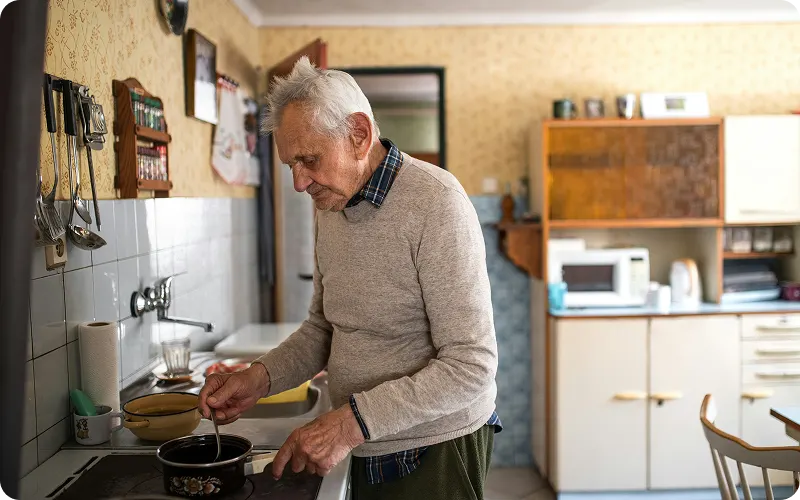
- Kitchen (spills, turning quickly, reaching up)
- Hallways (dim lighting, clutter, tight spaces)
When Options Home Care in Wake County does home support visits as part of in-home senior care in Wake County, these are usually the first areas looked at because small changes here go a long way.
Small Home Fixes That Actually Help
You don’t need to turn the house upside down. Most safety improvements are simple.
Living Room
- Get rid of loose rugs or secure them so they don’t slide
- Clear cords and clutter from walking paths
- Make sure furniture isn’t blocking movement
Kitchen
- Keep everyday items within easy reach
- Clean spills right away instead of letting them sit
- Avoid using chairs or stools to grab things
Bedroom
- Keep a clear path to the bathroom
- Add a night light (this one really helps more than people expect)
- Keep essentials close to the bed
Options Home Care caregivers often help families spot these things because once you see them, they’re usually easy to fix.
Bathroom Safety
If there’s one area to focus on first, it’s the bathroom. It’s small, wet, and used constantly.
Helpful changes:
- Grab bars near the toilet and shower
- Non-slip mats inside and outside the tub
- A shower chair if standing feels unsteady
- Brighter lighting, especially at night
Options Home Care in Wake County caregivers often assist with bathing and personal care as part of in-home senior care, which naturally adds another layer of safety here, too.
Lighting Makes a Bigger Difference Than Expected
This is one of those things people underestimate until it’s fixed.
Simple improvements:
- Bright lights in hallways and stairs
- Night lights in bedrooms and bathrooms
- Making sure switches are easy to reach
- Cutting down dark corners or shadowy areas
Many families working with Options Home Care say the home just feels safer once the lighting is improved.
Walking Aids and Support Tools
There’s sometimes hesitation around using canes or walkers, but they’re really just about staying steady.
Things that can help:
- Cane for light balance support
- Walker for more stability
- Shoes with proper grip (not slippery slippers)
- Handrails in key areas
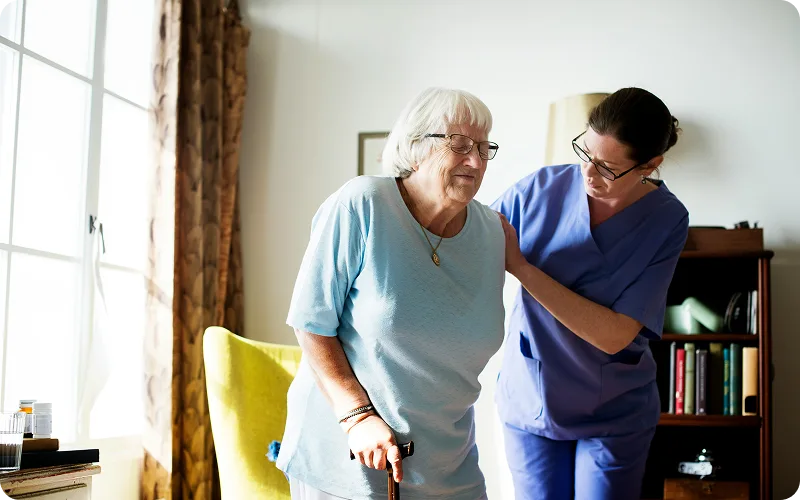
With in-home senior care in Wake County, Options Home Care caregivers also help ensure these tools are used correctly, which matters just as much as having them.
Medications and Health Changes
This is another area families don’t always connect to fall risk right away.
Things to watch for:
- Feeling dizzy after medication
- Being unusually tired during the day
- Blood pressure drops
- Slower reactions or confusion
Options Home Care in Wake County caregivers often notice small changes during daily routines and can flag things so families can follow up with a doctor if needed.
What Families Can Realistically Do
Most family caregivers are already doing a lot, so this isn’t about adding pressure.
It’s more about small habits:
- Doing quick walk-throughs of the home every so often
- Watching for changes in balance or walking
- Encouraging slower movement instead of rushing
- Keeping floors and walkways clear
Even just noticing patterns early makes a big difference, especially when paired with support from Options Home Care and in-home senior care in Wake County.
When Extra Help at Home Starts to Make Sense
It usually doesn’t happen all at once. It builds slowly.
Some signs include:
- A fall or a couple close calls
- Trouble moving safely around the house
- Struggling with bathing or dressing
- Memory issues that affect awareness
- Family feeling stretched too thin
This is usually when families reach out to Options Home Care in Wake County for in-home senior care. Not because independence is gone, but because they want to protect it.

How In-Home Care Actually Helps With Safety
Good care isn’t just about helping with tasks. It changes how the whole day flows.
Services from Options Home Care can include:
- Help with bathing, dressing, and moving around safely
- Companionship so seniors aren’t alone all day
- Live-in care for 24/7 support when needed
- Memory care for dementia-related safety concerns
- Support after hospital stays to reduce risk at home
- Tech-assisted tools that help with monitoring and safety
When all of that comes together, in-home senior care in Wake County becomes less about “extra help” and more about keeping everyday life steady.
Fall Prevention Doesn’t Have to Be Complicated
Most of it is just paying attention to the little things, lighting, clutter, routines, and movement, and fixing them before they become problems. And families don’t have to figure it out alone either. Options Home Care in Wake County often supports families through this process with practical, steady in-home senior care, helping seniors stay where they’re most comfortable, at home.
Fall prevention doesn’t have to be complicated. Most of it is just paying attention to the little things, lighting, clutter, routines, and movement, and fixing them before they become problems. And families don’t have to figure it out alone either. Options Home Care often supports families through this process with practical, steady in-home senior care, helping seniors stay where they’re most comfortable, at home.
