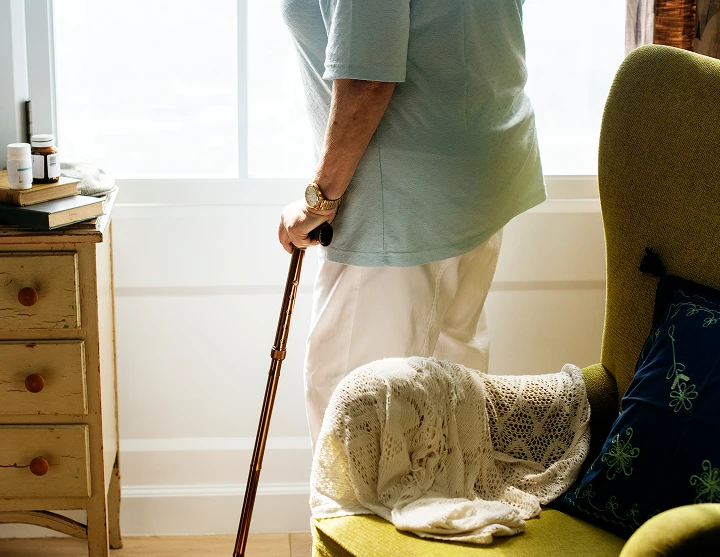
Caring for a loved one with dementia or Alzheimer’s is one of life’s most meaningful yet challenging responsibilities. These progressive conditions affect memory, thinking, and behavior, making everyday tasks like bathing, dressing, or remembering medication difficult. For family caregivers, this often brings emotional stress, fatigue, and concern for safety.
Professional in-home care can make a profound difference. Options Home Care in Greensboro provides compassionate, RN-supervised support for seniors in Guilford County and nearby areas, helping families maintain safety, comfort, and dignity while preserving their loved ones’ independence.
With the right guidance, tools, and support, families can create an environment that promotes safety, engagement, and quality of life. This also ensures caregivers have the resources and relief they need.
Why In-Home Care Matters for Dementia & Alzheimer’s Patients
Home is more than just a place, it is a source of familiarity, security, and comfort. For seniors with dementia or Alzheimer’s, staying at home rather than moving to an unfamiliar facility can help preserve cognitive function, reduce anxiety, and maintain independence.
Key benefits of in-home care include:
- Safety in familiar surroundings – Minimizes confusion, wandering, and falls.
- Personalized care routines – Assistance tailored to cognitive needs, personal preferences, and daily habits.
- Enhanced emotional well-being – Seniors often feel more secure and happier at home.
- Reduced hospitalizations – Consistent supervision and medication management can prevent complications.
Options Home Care in Greensboro offers flexible in-home care, from a few hours per week to 24/7 live-in care, all RN-supervised, with same-day availability for urgent needs. This ensures seniors receive reliable, consistent support while family caregivers know professional help is available around the clock.
Common Challenges Families Face at Home
Families caring for loved ones with dementia or Alzheimer’s often encounter multiple challenges:
- Safety hazards – Wandering, falls, and missed medications are frequent risks.
- Emotional stress – Anxiety, guilt, and exhaustion can quickly overwhelm family caregivers.
- Daily routine management – Preparing meals, assisting with grooming, managing toileting, and handling medications can become full-time responsibilities.
- Behavioral and cognitive changes – Mood swings, confusion, aggression, or agitation may require specialized strategies.
Professional in-home caregivers trained in memory care can ease these pressures. They bring the skills and experience needed to manage daily challenges while supporting both the senior and the family.

Tips for Providing Effective Dementia & Alzheimer’s Care at Home
1. Create a Safe Home Environment
Safety is a top priority for seniors with dementia:
- Remove tripping hazards, secure rugs, and install grab bars in bathrooms and hallways.
- Use nightlights to reduce fall risk during nighttime wandering.
- Consider smart home solutions such as motion sensors, automated lights, and GPS tracking devices.
- Label rooms, drawers, and cabinets to help seniors navigate independently.
2. Establish a Consistent Routine
Consistency reduces stress and confusion:
- Schedule meals, bathing, medication, and leisure activities at the same times each day.
- Avoid sudden changes in environment or routine that can trigger agitation.
- Options Home Care in Greensboro caregivers help implement and maintain structured schedules, ensuring your loved one thrives in a predictable, comforting environment.
3. Prioritize Communication & Patience
Effective communication is essential:
- Speak slowly and clearly, using simple sentences.
- Give extra time for responses and avoid interrupting.
- Use nonverbal cues like gestures, eye contact, and gentle touch.
- Remain calm during repetitive questions or moments of frustration, responding with empathy.
4. Encourage Mental and Physical Stimulation
Engaging the mind and body helps slow cognitive decline and improves mood:
- Gentle physical activity: Walking, stretching, or chair exercises.
- Cognitive exercises: Puzzles, memory games, music therapy, and reading aloud.
- Social interaction: Family visits, phone calls, or video chats to reduce isolation.
- Nature exposure: Gardening or outdoor time for mental stimulation and stress relief.
- Options Home Care in Greensboro caregivers provide dementia-focused activities designed to keep seniors mentally engaged, calm, and connected.
5. Support Nutrition and Medication Management
Nutrition and proper medication adherence are critical:
- Offer balanced meals that are easy to prepare and eat, incorporating hydration and dietary needs.
- Track medications with reminder systems or caregiver support to prevent missed doses.
- Coordinate with healthcare providers to monitor changes in health or cognition.
- During post-hospital recovery, professional in-home care ensures seniors safely follow treatment plans and medication schedules.
Tools and Resources for Families
Families supporting a loved one with dementia can utilize a range of helpful tools:
- Assistive technology – Medication reminders, GPS trackers, fall detectors, and monitoring devices.
- Caregiver apps and platforms – Organize schedules, track tasks, and monitor well-being remotely.
- Professional support – Options Home Care in Greensboro provides respite care, post-hospital support, and 24/7 in-home care for seniors.
- Local support groups – Connect with other caregivers for advice, encouragement, and emotional support.
Combining technology, community resources, and professional support helps families provide consistent, effective care while reducing stress.
Respite Care and Support for Family Caregivers
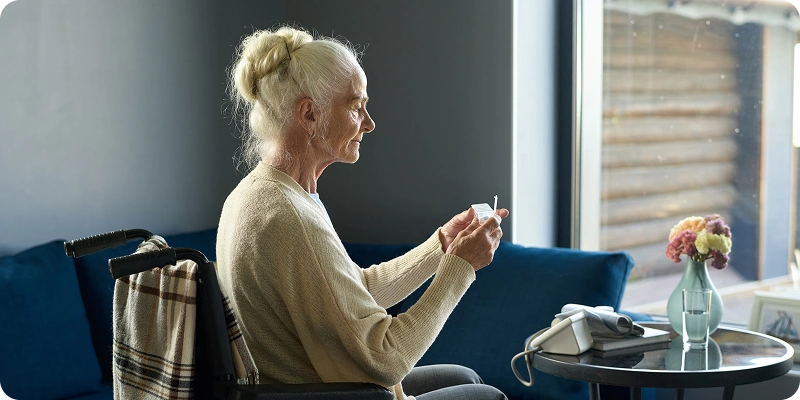
Caring for a loved one with dementia can lead to emotional and physical exhaustion. Respite care provides essential relief, allowing family caregivers to recharge without compromising the quality of care.
Options Home Care in Greensboro offers flexible respite services:
- Short-term support for a few hours or a day.
- Weekend or extended coverage for travel or rest.
- Regularly scheduled breaks for ongoing caregiver relief.
With respite care, seniors continue to receive high-quality, compassionate support, while family members regain energy, focus, and emotional balance.
Transitioning from Hospital to Home
The period immediately following hospital discharge is often the most critical for seniors with dementia or Alzheimer’s. Medication errors, confusion, and falls are common during this vulnerable time.
Options Home Care in Greensboro provides specialized hospital-to-home care, including:
- Same-day caregiver visits to ensure a smooth transition.
- RN-supervised medication tracking and vital monitoring.
- Personalized routines to help seniors adjust safely back to home life.
This proactive approach reduces the risk of readmission, ensures adherence to care plans, and gives families peace of mind.
Choosing the Right In-Home Care Provider
Selecting the right caregiver is crucial to a loved one’s safety, comfort, and emotional well-being. Families should prioritize providers who offer:
- Specialized dementia and Alzheimer’s care experience.
- RN supervision and staff trained to handle cognitive and behavioral challenges.
- Consistency, caregivers who become trusted faces, not rotating strangers.
- Flexible schedules and 24/7 support for emergencies.
Options Home Care in Greensboro excels in all these areas, delivering individualized care plans tailored to each senior’s cognitive needs and family circumstances.
Caring for a loved one with dementia or Alzheimer’s at home can be challenging. With the right strategies and professional support, families can ensure safety, comfort, and meaningful engagement while reducing stress. Options Home Care in Greensboro offers compassionate in-home care in Guilford County, including respite services, hospital-to-home support, and 24/7 live-in care, helping families create a safe, nurturing, and joyful environment for their loved ones.