

Because home is where seniors belong.
Our 10-year recognition as a Best of Senior Care recipient reflects a long stretch of consistent service and relationships that many families continue to lean on well beyond the first time they reach out.
Options has been providing home care services for seniors in Wake County for over 20 years. We service Wake County and all surrounding counties in the Research Triangle area. It is our passion to offer affordable home care for seniors. Our aides have 5 to 30 years of experience and have been with our agency 5 to 18 years.
24/7 care in the comfort of home, ensuring safety and companionship.

Assisting seniors with all ADLs including bathing, grooming, mobility and more.




At Options Home Care, senior care is approached in a way that stays grounded in real life. It is practical, but also very human. Nothing about it is overly structured or “one-size-fits-all.” The focus is simply on helping seniors stay in their own homes while still having dependable support close by when life gets a little harder to manage alone.
Over time, caregivers often stop feeling like “service providers” and start feeling familiar. It is rarely just about completing tasks. It is the routine, the repeated visits, and those small everyday conversations that slowly build comfort. That kind of consistency often matters just as much as the care itself, for both seniors and their families.
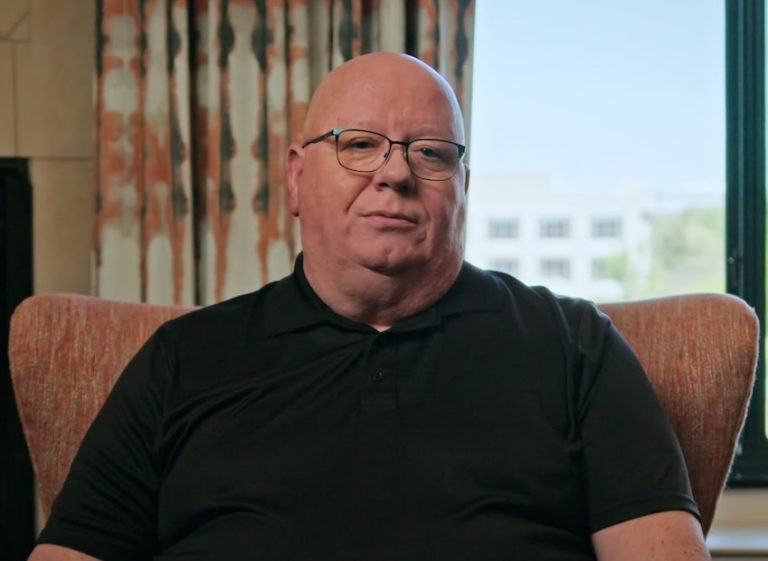
Donna Clark manages our Atlanta office and coordinates our caregivers and their schedules, making sure we have the right match for each of our seniors. She is a key employee of this office and has earned her seniority having worked at the Atlanta branch since 2002. During this time, Donna has mastered her ability to do an excellent job fulfilling her role.
Our service area includes:
Home health care is usually tied to medical needs and is provided by licensed clinicians. It tends to focus on recovery, treatment, or short-term health support at home, such as nursing visits, therapy sessions, or medication-related care.
In-home senior care in Raleigh, NC is more about everyday living. It is the kind of help that makes daily routines easier, like bathing, dressing, meals, mobility, companionship, toileting, and memory support. The goal is not to replace independence, but to make it easier to maintain.
At Options Home Care, the focus stays on helping seniors remain in the place they know best, their home. Care plans are built around real situations, and they naturally shift as needs change instead of staying fixed in place.
We also often step in during hospital discharges or unexpected changes, when families are trying to figure things out quickly. Some situations only need short support, while others turn into longer arrangements, so care adjusts as things unfold.
At the center of it all is simple day-to-day stability, safety, and helping life at home feel manageable again.
In many cases, support can begin within a day or two. Sometimes it happens even faster, depending on the situation and caregiver availability.
When a hospital discharge is involved or something urgent comes up, things usually move more quickly. We gather what we need, look at what level of help makes sense, and work on putting support in place without dragging the process out.
From there, we shape a care plan around the person’s actual daily routine and try to match them with someone who feels like a good fit, not just someone available.
Yes. Options Home Care works with families across Raleigh and nearby areas including Cary, Apex, Wake Forest, Garner, Holly Springs, Morrisville, and Fuquay-Varina.
Not every situation looks the same. Some people need regular daily help, while others just want a few visits a week or even occasional companionship. The care always depends on what the household actually needs, not a preset structure.
Many seniors prefer staying in their own home because it feels familiar and comforting. Home care makes that possible by offering just the right amount of help without taking over their routine.
Caregivers may assist with meals, personal care, mobility, companionship, or light household tasks. The idea is to support daily life, not replace it.
Over time, this kind of support can make days feel more predictable and less stressful, while still allowing seniors to maintain control over their own routines.
Family caregivers often take on more than they initially expect, especially when care needs gradually increase. It can become tiring trying to balance everything at once.
Our caregivers step in to share that responsibility in a practical way. This can include help with personal care, meals, transportation, companionship, and general supervision.
It gives families more breathing room, while still allowing them to stay involved in decisions and day-to-day life. Most families find it helps restore a better balance overall.
Caregivers assist with daily needs such as bathing, grooming, dressing, toileting, mobility support, and meal preparation. These tasks are handled with patience and respect, always keeping dignity in mind.
Beyond the practical side, there is also regular conversation and companionship. For many seniors, that social connection matters just as much as the physical help.
Over time, this combination of support and interaction often helps create a more comfortable and less isolating home environment.
Live-in care means one caregiver stays in the home and provides help throughout the day based on what is needed. This includes personal care, meals, reminders, transportation, and light household tasks, with overnight availability if something comes up.
24-hour care works differently. It uses rotating professional caregivers in shifts so that someone is always awake and actively on duty.
Many families prefer live-in care because it feels more stable and familiar. Having the same caregiver each day helps build routine and comfort, especially for seniors who do better with consistency.
We also help families during transitions after hospital stays or rehab, when needs can shift quickly and plans need to adjust.
Activities of Daily Living, or ADLs, are the basic self-care functions that allow a person to live safely and independently. As individuals age or experience health challenges, these tasks may become more difficult to perform without assistance. ADLs typically include:
Insurance companies and assistance programs often use these tasks to determine eligibility for care support. In many cases, long-term care benefits begin when help is needed with at least two ADLs. Some veterans programs may require three.
When these tasks become harder to manage, it is often a sign that some extra support may be helpful. We can help families understand options and what steps come next.
Yes. We accept private pay and long-term care insurance, depending on what works best for each family.
Long-term care insurance is meant to help with ongoing support needs like bathing, dressing, mobility, and personal care. It is different from regular health insurance, which focuses more on medical treatment.
We also help families with the paperwork side, which can get confusing quickly. That includes benefit checks, claims, documentation, and reimbursement support.
Many veterans may qualify for support through the VA Homemaker and Home Health Aide Care program. This helps eligible veterans remain at home while receiving assistance with daily tasks like bathing, grooming, meals, housekeeping, and mobility.
Options Home Care is an accredited VA community care provider, which means approved services may be covered directly through the VA.
To qualify, veterans usually need to:
After approval, we coordinate directly with the VA team to set up care that matches the veteran’s needs. We also help families understand the process along the way.
Some veterans and surviving spouses may also qualify for additional programs such as VA Aid and Attendance, depending on eligibility.
Let’s start with a free phone consultation to learn more about your family’s care needs.
Our team will provide the support and services your loved one needs to maintain independence at home—with peace of mind for you.
"*" indicates required fields