

Because home is where seniors belong.
Being recognized as a Best of Senior Care provider for 10 years in a row is something we value deeply. It represents years of steady work, dependable service, and continued trust from families who return to us when care becomes necessary.
Options has been providing home care services for seniors in Wake County for over 20 years. We service Wake County and all surrounding counties in the Research Triangle area. It is our passion to offer affordable home care for seniors. Our aides have 5 to 30 years of experience and have been with our agency 5 to 18 years.
24/7 care in the comfort of home, ensuring safety and companionship.

Assisting seniors with all ADLs including bathing, grooming, mobility and more.




At Options Home Care, care is built around the individual rather than shaped from a fixed system. Each person comes with their own routines, preferences, and comfort levels, and support is adjusted so it fits into those patterns instead of replacing them.
Over time, caregivers often become part of the natural rhythm of the home. Visits stop feeling formal and start feeling familiar. The same faces show up, the same routines are followed, and there is a quiet sense of knowing what to expect. For many families, that kind of consistency becomes one of the most grounding parts of care, even if it is rarely put into words.
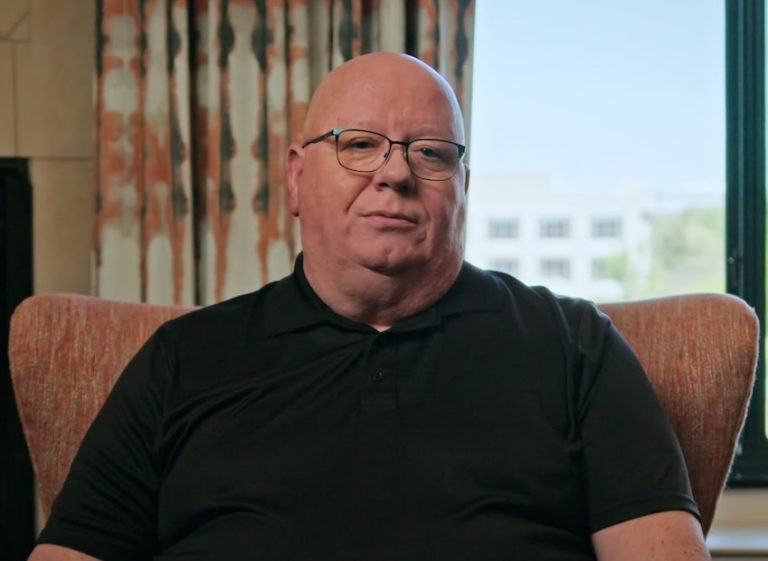
Donna Clark manages our Atlanta office and coordinates our caregivers and their schedules, making sure we have the right match for each of our seniors. She is a key employee of this office and has earned her seniority having worked at the Atlanta branch since 2002. During this time, Donna has mastered her ability to do an excellent job fulfilling her role.
Our service area includes:
Home health care and in-home senior care in Johnston County, NC are often mentioned together, but they serve very different roles.
Home health care is medical and usually requires a physician’s order. It may involve skilled nursing, therapy sessions, wound care, injections, or short-term recovery support after surgery, illness, or hospitalization.
In-home senior care focuses on everyday support that helps older adults remain in their homes with less strain. That can include help with bathing, dressing, meals, mobility, toileting, companionship, memory support, and general daily assistance.
The goal isn’t recovery in a clinical sense. It’s more about keeping daily life workable at home.
At Options Home Care, care is adjusted based on how life actually unfolds at home. Since routines are not always predictable, support shifts as needs change rather than staying fixed.
Coming home from the hospital can feel a bit unsettled at first. Services can be arranged quickly and adjusted as things settle. This may include personal care, companionship, respite care, or live-in support depending on what’s needed.
Emotional comfort matters too, sometimes more than expected, especially in the early days.
In many situations, care can begin within 24 to 48 hours depending on caregiver availability and scheduling. Urgent requests are handled as quickly as possible.
When there is a hospital discharge or sudden change in condition, the process usually moves faster. The first step is simply understanding what daily life looks like right now instead of relying on assumptions.
From there, a care plan is created and a caregiver is selected based on both practical needs and how they fit into the home setting.
That matching process also considers communication style and personality, since comfort and trust matter just as much as task support.
Yes. Options Home Care supports families across Johnston County and nearby communities including Fuquay-Varina, Holly Springs, Garner, Morrisville, Raleigh, Cary, Apex, and Wake Forest.
Care is not structured the same way for every household. Some situations require daily support, others only occasional visits or a few check-ins each week.
The level of care is adjusted based on what actually helps daily life feel more manageable at home.
Most seniors prefer staying at home because it feels familiar and connected to their routines. Home care supports that choice by stepping in only where support is needed.
This may include help with personal care, meals, mobility, companionship, or light household tasks. Nothing more complicated than that in most cases.
Over time, this type of support often reduces day-to-day pressure while still allowing seniors to stay involved in their own decisions and routines.
Family caregiving often begins gradually and becomes more demanding as time goes on.
Professional caregivers help share that responsibility through support with personal care, meals, transportation, companionship, and supervision.
For families, this creates space to step away from constant day-to-day pressure while still staying closely involved in care decisions and routines. Many households find it helps bring a more sustainable balance back into daily life.
Caregivers assist with personal tasks such as bathing, grooming, dressing, toileting, mobility, and meals, always with patience and respect.
There’s also the human side of it, like conversation, familiarity, and routine interaction throughout the day. That part often ends up mattering just as much as the practical help.
Over time, this combination can make the home feel calmer and less isolating, especially for seniors spending more time alone.
Live-in care involves one caregiver staying in the home and providing support throughout the day as needed. This may include meals, personal care, reminders, mobility assistance, transportation, and light housekeeping, with availability overnight if required.
Twenty-four-hour care works through rotating caregivers in shifts so that someone is always awake and actively on duty.
Live-in care tends to feel more stable. One caregiver, fewer changes, more familiarity, and that often helps daily routines feel easier to follow.
Support is also available during recovery after hospital stays or rehabilitation when needs may change.
Activities of Daily Living, or ADLs, are the basic everyday tasks that support personal independence. These are commonly used in care assessments to understand how much support someone may need. ADLs typically include:
ADLs are used in insurance and care evaluations. Some programs require help with two ADLs before benefits apply, while others require three.
When these tasks become harder to manage, it may indicate that additional support at home is needed.
We help families review care needs and understand available options based on their situation.
Yes. We accept private pay and long-term care insurance.
Long-term care insurance helps cover ongoing assistance with daily needs such as bathing, dressing, mobility, and personal care. It is different from standard health insurance, which focuses on medical treatment and short-term recovery.
We also help with administrative steps such as benefit checks, claim setup, documentation, and reimbursement support to make the process easier for families.
Many veterans may qualify for support through the VA Homemaker and Home Health Aide Care program, which provides non-medical care for those who want to remain at home.
Services may include help with bathing, dressing, meals, grooming, housekeeping, and daily support tasks.
Options Home Care participates in the VA community care network and may provide services when eligibility is approved.
To qualify, veterans typically must:
Once approved, care is coordinated with the VA team to ensure consistency and proper alignment with the veteran’s needs.
Additional support may be available through VA Aid and Attendance benefits depending on eligibility and personal circumstances.
Let’s start with a free phone consultation to learn more about your family’s care needs.
Our team will provide the support and services your loved one needs to maintain independence at home—with peace of mind for you.
"*" indicates required fields