
Caring for an aging family member is a big responsibility. As people live longer and want to keep their independence, many families choose in-home care to help their loved ones stay safe, comfortable, and well cared for at home.
In-home care provides help with everyday activities while allowing seniors to remain in the place they know best. Rather than moving to an assisted living community or nursing home, they can receive one-on-one support that helps them stay independent, keep their dignity, and continue living in a familiar setting.
This guide explains the basics of in-home care, including the types of services available, the benefits for both seniors and their families, signs that extra help may be needed, and tips for choosing the right provider. It starts by taking a closer look at what in-home care means.
Options Home Care provides reliable, compassionate in-home care designed to help seniors stay safe, comfortable, and independent, while giving families greater confidence and peace of mind.
What Is In-Home Care?
In-home care provides support within an individual’s residence. This approach helps seniors or individuals with health challenges maintain daily routines and live safely in a familiar environment.
Unlike hospital or clinical care, which primarily addresses medical needs, in-home care emphasizes practical assistance, personal support, and companionship. This distinction contributes to an improved quality of daily life.
Many seniors prefer in-home care because it enables them to remain connected to their communities, maintain established routines, and preserve important memories while receiving necessary support.
Understanding In-Home Care Services
In-home care offers services tailored to each person’s unique needs, ensuring safety and comfort.
Common types of support include:
- Help with personal hygiene.
- Assistance with moving around safely
- Meal preparation
- Medication reminders
- Light housekeeping
- Companionship and emotional support
Care plans are tailored to a senior’s health, abilities, and preferences, ensuring they get the right support in the way that works best for them.
Who Can Benefit From In-Home Care
In-home care benefits individuals who need extra help while remaining independent.
People who commonly benefit from in-home care include:
- Seniors who want to age in place
- Individuals recovering from surgery or illness
- Adults managing chronic conditions
- People experiencing mobility limitations
- Seniors with cognitive challenges, including dementia
In-home care adapts as needs change over time.
In-Home Care vs Assisted Living or Nursing Homes
Families often compare in-home care with assisted living facilities or nursing homes when considering long-term care.
In-Home Care
- Care provided in the senior’s home
- Personalized one-on-one assistance
- Flexible scheduling
- Familiar environment
Assisted Living or Nursing Homes
- Care delivered in a residential facility
- Shared staff among many residents
- Structured daily routines
- Relocation from the family home
Remaining at home often boosts emotional well-being and comfort for seniors.

Types of In-Home Care Services Available
In-home care includes services designed to support physical, emotional, and cognitive needs.
Understanding these services helps families determine the right level of support.
Personal Care Assistance
Personal care helps seniors manage activities of daily living that may become difficult with age or health changes.
- Common personal care services include:
- Bathing and showering assistance
- Grooming and hygiene support
- Dressing assistance
- Mobility support
- Help getting in and out of bed or chairs
These services help seniors maintain dignity while receiving needed assistance.
Companion Care
Social isolation affects many older adults. Companion care provides emotional support and meaningful social interaction.
Companion care services include:
- Conversation and companionship
- Games and hobbies
- Walking and light exercise
- Accompaniment to appointments
- Assistance with errands
Regular companionship enhances emotional health and counters loneliness.
Live-In Care
Live-in care provides continuous support for seniors who need assistance throughout the day and night.
This care option works well for individuals who:
- Experience mobility challenges
- Require ongoing supervision
- Live with cognitive decline
- Need help with daily routines at all hours
Live-in caregivers ensure safety and consistent support.
Memory Care at Home
Memory care services are designed to support individuals living with Alzheimer’s disease or other forms of dementia. These services are typically provided by caregivers with specialized training in cognitive support, rather than general personal or companion care.
Caregivers trained in memory care provide:
- Structured daily routines
- Safety monitoring
- Cognitive engagement activities
- Assistance with behavioral changes
This care allows seniors to stay in a familiar environment while receiving specialized support.
Hospital Discharge and Recovery Support
After a hospital stay, many seniors need temporary help during recovery at home.
Discharge support services include:
- Following medical recovery instructions
- Medication reminders
- Mobility assistance
- Meal preparation
- Monitoring overall well-being
Effective recovery support minimizes the risk of hospital readmission.
Technology-Enabled Home Care
Modern in-home care uses technology to improve safety and communication.
Technology-enabled care may include:
- Remote safety monitoring
- Emergency alert systems
- Medication reminder tools
- Communication systems that connect seniors with caregivers and family members
These tools help seniors stay independent with the support they need.
Key Benefits of In-Home Care
In-home care offers seniors and families benefits beyond physical assistance, enhancing overall well-being.
Maintaining Independence and Comfort
A key benefit of in-home care is that seniors can remain in their homes.
Remaining in a familiar environment helps seniors:
- Maintain daily routines
- Stay connected to their community
- Preserve independence
- Feel emotionally secure
Aging in place often leads to more satisfaction and comfort.
Personalized One-on-One Support
In-home care provides attention tailored to each senior’s needs.
Care plans may consider:
- Health conditions
- Mobility limitations
- Lifestyle preferences
- Daily routines
This individualized approach ensures care remains effective and respectful..
Improved Emotional and Social Well-Being
Loneliness impacts many older adults.
Regular companionship and interaction can:
- Reduce isolation
- Improve mood
- Encourage mental stimulation
- Support emotional health
Caregivers often become trusted companions who enrich daily life for seniors.
Enhanced Safety and Fall Prevention
Falls are one of the most common safety risks for seniors.
In-home caregivers help reduce these risks by:
- Assisting with mobility
- Monitoring movement
- Identifying potential hazards
- Supporting safe daily routines
Safety monitoring prevents injuries and supports independence.
Peace of Mind for Families
Family members often worry about the safety and well-being of aging loved ones.
Professional caregivers offer reassurance through consistent support and attentive care.

Signs a Loved One May Need In-Home Care
Recognizing early warning signs helps families act before problems become serious. Changes in physical ability, behavior, or daily routines may indicate the need for more support.
Difficulty Managing Daily Activities
Routine tasks may become challenging over time.
Examples include:
- Difficulty bathing or dressing
- Trouble preparing meals
- Declining household cleanliness
- Problems maintaining personal hygiene
These challenges can increase over time.
Increased Forgetfulness or Cognitive Changes
Memory problems may interfere with daily living.
Warning signs include:
- Missing medications
- Forgetting appointments
- Confusion about time or location
- Difficulty following conversations
Early support helps manage these challenges well.
Reduced Mobility or Frequent Falls
Mobility challenges raise the risk of injuries at home.
Signs include:
- Unsteady walking
- Difficulty climbing stairs
- Frequent slips or falls
- Avoiding movement due to fear of falling
Caregivers help seniors move safely and with confidence
Isolation or Lack of Social Interaction
Social withdrawal may signal emotional or physical issues.
Seniors may:
- Stop participating in activities
- Avoid social gatherings
- Lose interest in hobbies
- Spend extended time alone
Companion care restores engagement and interaction.
Family Caregiver Burnout
Family members often try to manage caregiving responsibilities alone. Over time, this can lead to emotional and physical exhaustion. Professional care provides support so families can maintain balance.
How In-Home Care Supports Aging in Place
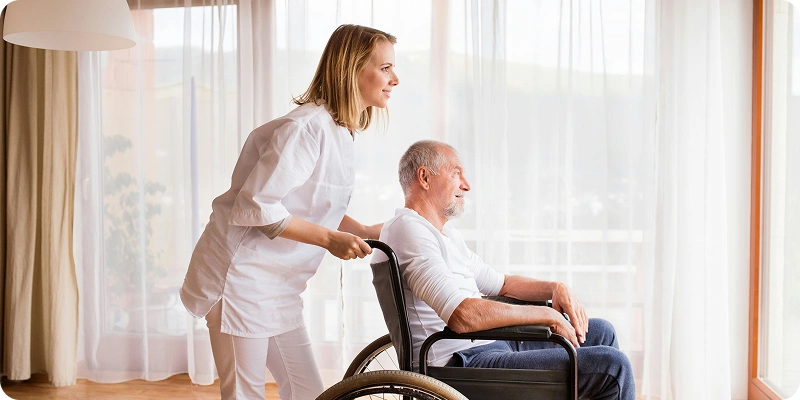
Aging in place means staying at home safely as you grow older. In-home care plays an essential role in making this possible.
Creating a Safer Home Environment
Caregivers identify potential hazards and recommend safety improvements.
Safety improvements may include:
- Clearing walkways
- Improving lighting
- Installing grab bars
- Rearranging furniture for easier movement
Small adjustments can reduce fall risks.
Supporting Long-Term Health and Wellness
Caregivers help seniors maintain routines that support health.
Support may include:
- Medication reminders
- Encouraging physical activity
- Supporting balanced meals
- Monitoring changes in health
Consistent care helps maintain stability and well-being for seniors.
Encouraging Active and Engaged Living
Remaining mentally and physically active supports healthy aging.
Caregivers often encourage:
- Light exercise
- Cognitive activities
- Social engagement
- Participation in hobbies
These activities support independence and quality of life.
How to Choose the Right In-Home Care Provider
Choosing the right care provider is one of the most important decisions families make. A reliable provider offers professional caregivers, personalized care plans, and transparent communication.
Evaluate Caregiver Training and Qualifications
Caregivers should have proper training and experience.
Important considerations include:
- Background checks
- Professional training
- Senior care experience
- Dementia care knowledge
Qualified caregivers provide safer and more effective care for seniors.
Look for Personalized Care Plans
Every senior has unique needs. A quality provider conducts an assessment before creating a care plan tailored to the individual’s health and lifestyle.
Consider Flexible Care Options
Care needs can change over time. Providers should offer multiple service options, including:
- Hourly care
- Overnight care
- Live-in care
- Temporary recovery support
Flexibility ensures seniors get the right level of assistance.
Communication and Family Updates
Clear communication keeps families informed about their loved one’s care. Reliable providers are transparent and encourage family involvement.
Partner With an Experienced Home Care Organization
Choosing a trusted provider ensures consistent support and compassionate care. Options Home Care provides in-home care services focused on safety, independence, and dependable caregiver support for seniors and families.

The Role of Family in In-Home Care
Even with professional caregivers, family members are an essential part of the care team. Collaboration helps ensure seniors get the best support.
Building a Collaborative Care Team
Effective caregiving involves communication between:
- Professional caregivers
- Family members
- Healthcare providers
Working together ensures consistent, coordinated care.
Staying Involved in Care Decisions
Families can remain engaged by:
- Reviewing care plans
- Monitoring progress
- Communicating with caregivers
- Supporting daily routines and preferences
Active involvement improves outcomes.
Supporting Emotional Well-Being
Family relationships are an important source of comfort for seniors. Regular visits, conversations, and shared activities strengthen emotional connections and improve quality of life.
In-home care offers a practical and compassionate way for seniors to stay in their own homes while receiving the support they need. Personalized assistance, companionship, and safety monitoring help maintain independence and improve quality of life, while also giving families confidence that their loved ones receive attentive care. Options Home Care provides reliable in-home care services that help seniors stay safe, comfortable, and independent while supporting families throughout the caregiving journey.
Frequently Asked Questions About In-Home Care
