
Caring for a loved one at home is rewarding yet challenging. As seniors or family member ages, or starts dealing with health problems, keeping them independent and comfortable often takes more help than one family can give on its own. That’s where home care comes in, real, hands-on support delivered right where someone already feels at home.
Options Home Care provides in-home support that keeps seniors safe and comfortable at home, and takes some of the constant worry off the family. Whether a loved one needs a hand with everyday tasks, specialized memory care, or help around the clock, the right home care makes the day easier for them and lighter for the family doing the caregiving.
What Is In-Home Care?
Home care covers a range of professional services brought right to the house. Some of it is practical help with getting through the day, medical needs, and companionship, all of it aimed at letting seniors and people with disabilities stay in surroundings they know.
Home care offers a one-on-one approach customized to individual needs. If your loved one needs a hand with everyday tasks, or some company during the day, or someone checking in on their health regularly, home care fills the gap without taking over the things they can still do for themselves.
Key Purposes of Home Care
Home care does a few important things:
- Help with everyday tasks: Bathing, dressing, preparing meals, and moving around the home.
- Health Monitoring: Keeping medications on schedule, watching vital signs, and catching changes in health before they become problems.
- Emotional Support: Company through the day, less time spent isolated, and a nudge back toward the things a person enjoys.
- Specialized Services: Help with cognitive challenges, recovery after a hospital stay, and the kind of transitional care that keeps people from landing back in the hospital.
Why Families Choose Home Care
Families tend to go with home care for a few reasons:
- Independence: A senior gets to keep their own routines and way of life, in their own home.
- Reduced Caregiver Stress: A professional caregiver takes a real load off the relatives who’d otherwise be carrying it all.
- Personalized Attention: The care plan is built around the actual person, their health, their needs, the way they like things done.
- Peace of Mind: Knowing qualified people, like those at Options Home Care, are handling the medical and personal care.
Types of Home Care Services
Home care is not one-size-fits-all. Depending on what someone needs, families have a few different options to choose from, and knowing the difference between them is what makes it possible to pick the right kind of help.
Personal Care
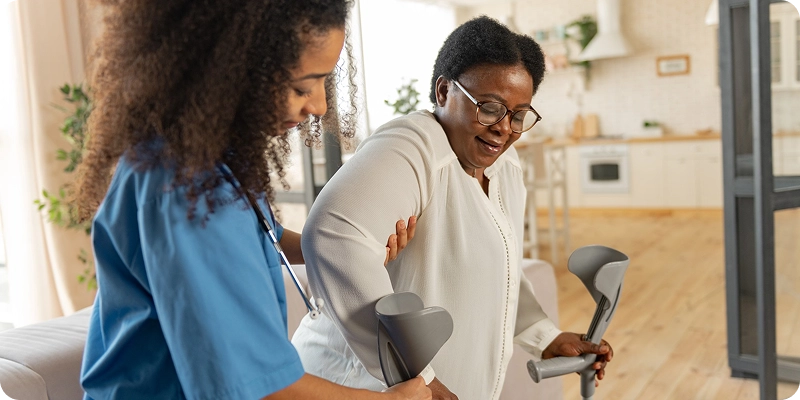
Personal care helps with Activities of Daily Living (ADLs), things like hygiene and getting around, that keep a person physically independent. It’s a different thing from companionship, which is about the social and emotional side.
- Bathing and grooming
- Dressing and staying clean
- Help moving around, and getting safely between bed, wheelchair, or chair
- Meal preparation and help with dietary needs
- Toileting and continence care
Benefits of Personal Care:
- Lets seniors keep their dignity while still getting the help they need
- Cuts down the risk of falls and injuries at home
- Helps seniors stay healthier and more active
Example: An Options Home Care caregiver might help a senior get out of bed, shower, and get breakfast going, enough support to keep them going without taking over.
Companionship Services
Companionship and social contact matter more than people realize, both for the mind and the body, especially for seniors living alone. Companionship services can include:
- Conversation and social contact to push back against loneliness
- Doing hobbies, playing games, or getting out for a walk together
- A hand with light household tasks while keeping someone company
Benefits:
- Lowers the risk of depression and cognitive decline
- Keeps a person physically active and mentally engaged
- Makes for a better quality of life overall
Example: A caregiver might play cards, help with reading, or go along to an appointment, real interaction that also helps a senior stay independent.
Live-In Care
Live-in care means a caregiver lives in the home, providing support throughout the day and being available overnight for someone who needs a steady presence nearby. What it usually includes:
- 24/7 access to a caregiver
- Help with personal care, mobility, and managing medications
- Someone there to respond if something goes wrong, day or night
Benefits:
- Real safety for a senior at risk of falls or a health emergency
- Reassurance for the family, knowing someone’s always in the house
- Less anxiety for a senior who feels uneasy being alone
Example: An Options Home Care live-in caregiver provides both hands-on help and steady company across the day, with someone right there overnight if a need comes up.
Memory Care
Memory care is for people living with Alzheimer’s, dementia, or other cognitive impairments. The whole approach is built around keeping someone safe and steady. Memory care may include:
- Steady daily routines that cut down on confusion
- Safety measures to prevent wandering and accidents
- Activities that keep the mind engaged
- Patience and reassurance through the anxiety, agitation, or frustration that come with dementia
Benefits:
- A better day-to-day life for someone facing cognitive decline
- Less stress on the family
- The chance to stay home, safely and comfortably
Example: An Options Home Care caregiver trained in memory care can walk a senior through their routine while offering steady reassurance and company, which eases stress and helps them feel more secure.
Discharge Planning and Transitional Care
Coming home from a hospital or rehab stay can feel like a lot. Discharge planning supports recovery by providing:
- Coordination of follow-up medical appointments
- Temporary in-home care for personal support and safety
- Help managing medications and making the home safer to come back to
Benefits:
- Lowers the odds of ending up back in the hospital
- Gives someone a safe, steady setting to recover in
- Takes pressure off the family during the handoff
Example: An Options Home Care caregiver helps a senior get used to new medications, sets up safe routines, and keeps an eye on how recovery is going, so the move home actually sticks.
Tech-Enabled Home Care
Technology has worked its way into home care, and it genuinely helps, with safety, with keeping families in the loop, and with letting seniors do more on their own. Some examples:
- Emergency alert systems and devices that detect falls
- Remote check-ins through video or wearable devices
- Medication reminders and tools that track health information on their own
Benefits:
- Better safety, and fewer situations that turn into emergencies
- Real-time updates for family members
- More independence for the senior
Example: Options Home Care pairs hands-on caregiving with this kind of technology to keep seniors safe and connected at home.
How to Choose the Right Home Care Service
Picking the right home care really comes down to taking an honest look at what your loved one actually needs. A few things to work through:
- Figure out the care needs: Is it personal care, companionship, medical support, or specialized memory care that’s needed, or some mix.
- Gauge the level of support: Decide whether hourly visits, live-in care, or temporary transitional help fits the situation best.
- Look into providers: Check their qualifications, experience, flexibility, and reputation.
- Mind the personal fit: A caregiver who clicks with the senior’s personality and preferences makes all the difference.
Options Home Care offers consultations to help families put together a care plan that actually fits the person, their needs and the way they like things done.
Benefits of Professional Home Care
Professional home care brings some real advantages:
- Independence: A senior stays in familiar surroundings while still getting the help they need.
- Less stress: The family can stop worrying so much, knowing someone reliable is looking after their person.
- Care that adapts: The plan shifts as health and circumstances change.
- Peace of mind: A professional provider like Options Home Care brings steady, caring support.
Home care helps seniors maintain their physical and emotional well-being so they can continue living full and meaningful lives.
Common Misconceptions About Home Care
Despite the benefits, many families often hold back because of misconceptions:
- That home care is only for the elderly: In fact, anyone dealing with health challenges or limited mobility can benefit, regardless of age.
- That it’s always too expensive: Home care scales to what someone actually needs, so families pay for the level of help they use, and for part-time or moderate needs it often costs less than moving into a facility.
- That it replaces the family: It doesn’t. Professional care works alongside family support rather than taking its place.
Clearing up these misconceptions makes it easier for a family to think clearly about the best way to support someone they love.
Understanding the different types of home care services makes it easier for a family to support someone who wants to stay in their own home. Personal care, companionship, live-in support, memory care, each one meets a different need, and together they help a senior stay safe and keep living the way they want to. Options Home Care offers caring, professional, and flexible in-home care with trained caregivers, helpful technology, and specialized programs. It lets a senior keep living comfortably at home, and gives the family one less thing to lie awake over. Looking into what Options offers and building a care plan around the actual person is how families make sure a loved one stays safe and stays part of their own life.
FAQs About Home Care Services
