

Because home is where seniors belong.
For 10 years in a row, our team has received the Best of Senior Care distinction. While the award is meaningful, what it really represents is something more grounded. Families who continue to rely on us, years of showing up consistently, and care that stays steady even when situations change.
Options has been providing home care services for seniors in Wake County for over 20 years. We service Wake County and all surrounding counties in the Research Triangle area. It is our passion to offer affordable home care for seniors. Our aides have 5 to 30 years of experience and have been with our agency 5 to 18 years.
24/7 care in the comfort of home, ensuring safety and companionship.

Assisting seniors with all ADLs including bathing, grooming, mobility and more.




At Options Home Care, support is shaped around how people actually live day to day. Not a perfect version of life, but the real one, with routines, preferences, and small habits that matter more than they seem at first.
Caregivers are there to help, but also to become part of a familiar rhythm in the home. After some time, it is usually the same faces coming through the door, the same conversations, and a sense that things feel a little more settled when someone reliable is around. Families often describe it as quiet reassurance rather than something formal or clinical.
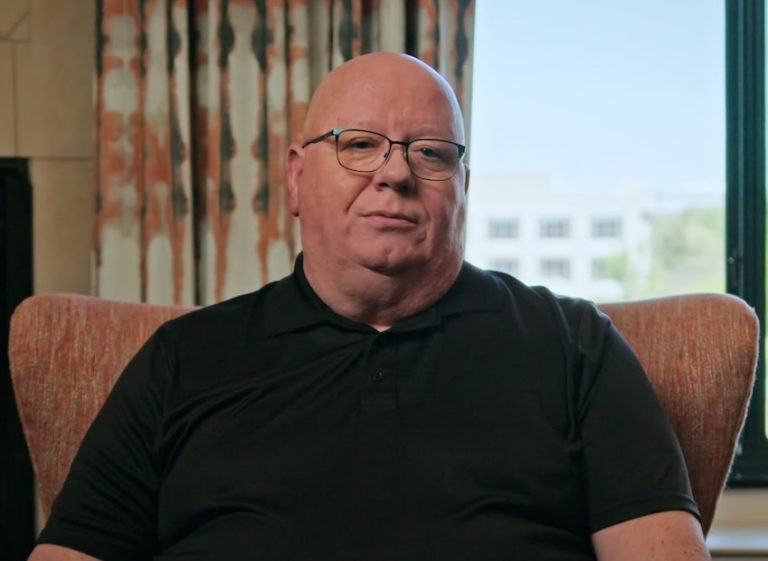
Donna Clark manages our Atlanta office and coordinates our caregivers and their schedules, making sure we have the right match for each of our seniors. She is a key employee of this office and has earned her seniority having worked at the Atlanta branch since 2002. During this time, Donna has mastered her ability to do an excellent job fulfilling her role.
Our service area includes:
Home health care is usually tied to medical needs and is ordered by a physician. It tends to focus on recovery after illness or surgery, and can include nursing visits, therapy sessions, wound care, or other short-term clinical support.
In-home senior care in Garner, NC is more about everyday life. It is the kind of help that makes normal days easier, like bathing, dressing, preparing meals, getting around the house, companionship, toileting support, and memory-related assistance.
Rather than being centered on medical treatment, this kind of care is about helping someone stay at home safely and comfortably for as long as possible.
At Options Home Care, care is built around the way each person already lives. Routines matter, habits matter, and those details guide how support is shaped. Nothing is locked into a rigid structure because real life rarely works that way.
When someone is coming home from a hospital or adjusting after a health change, things can feel like too much at once. That is usually when support is put in place quickly, either for a short period or longer depending on what is actually needed day by day.
The goal is simple. Keep home feeling like home, just with the right support in place so things do not feel overwhelming.
In some cases, support can begin within a day. Most families are usually set up within 24 to 48 hours, depending on timing and caregiver availability.
When something changes suddenly, like a hospital discharge, the process tends to move faster. The first step is always to understand what daily life looks like right now, not just on paper but in practice, and then build support from there.
Care planning is not just about assigning tasks. It also involves matching the right professional caregiver, someone who fits the home environment, communicates well, and feels comfortable to be around. That human fit often matters just as much as the care itself.
Yes. Families in Garner are supported along with nearby areas including Raleigh, Cary, Apex, Wake Forest, Morrisville, Holly Springs, and Fuquay-Varina.
Some people need daily help with hands-on care, while others only need occasional visits or someone to check in and provide companionship. There is no single format that fits everyone, so care is shaped around the home and the situation.
Most older adults do not want to leave their home if they can help it. It is where routines feel familiar and where daily life already makes sense.
Home care works by filling in the gaps rather than taking over. Help might come in the form of meals, mobility support, personal care, light housekeeping, or simply having someone there to talk to.
The idea is not to change how someone lives, but to make it easier for them to keep living that way.
As time goes on, this type of support often makes the day feel less tiring and more manageable, while still allowing the person to stay in control of their own space and decisions.
Most family caregivers do not start out thinking they will be doing everything. It usually builds slowly, until it becomes harder to manage than expected.
Having extra support helps ease that pressure. Caregivers step in with daily tasks like personal care, meals, transportation, companionship, and general supervision.
For families, that usually means they can take a step back when needed, rest more, and still stay closely involved in what is happening day to day. It tends to bring a more realistic balance back into the household.
Daily care tasks like bathing, grooming, dressing, toileting, mobility support, and meal preparation are handled in a calm and respectful way.
But care is not only about tasks. There are conversations throughout the day, shared moments, and familiar routines that help the person feel more at ease in their own home.
That combination of practical help and steady presence often makes the home feel less lonely and more supported in everyday life.
Live-in care means one caregiver stays in the home and provides help throughout the day as needed. This can include meals, personal care, reminders, transportation, and light housekeeping. Overnight support is available when something comes up.
Twenty-four-hour care is arranged differently. Multiple caregivers rotate shifts so that someone is always awake and available at any time.
Many families prefer live-in care because it feels more consistent. Seeing the same caregiver regularly helps build comfort, trust, and familiarity over time.
We also help families during recovery periods after hospital stays or rehab, when needs can shift quickly and care has to adjust along with them.
Activities of Daily Living, or ADLs, are the basic tasks necessary for safe and independent living. When an individual begins to struggle with these everyday responsibilities, it may indicate a need for additional support. ADLs typically include:
Insurance programs and care assessments often look at ADLs when deciding eligibility. In many cases, needing help with at least two ADLs is required before benefits can begin. Some veterans’ programs may require three.
When these tasks start becoming difficult, it can help to look at support options early. We help families understand what level of care makes sense and what steps come next.
Yes. Families can choose private pay or long-term care insurance.
Long-term care insurance is meant to help with ongoing daily support such as bathing, dressing, mobility, and personal care. It is different from standard health insurance, which usually focuses on medical treatment.
We also help families with the process behind the scenes. That includes checking benefits, setting up claims, organizing paperwork, and helping with reimbursement so they are not left trying to figure it out alone.
Many veterans may qualify for support through the VA Homemaker and Home Health Aide Care program. This program provides non-medical care that helps veterans remain safely at home while receiving help with daily activities such as bathing, grooming, meals, light housekeeping, and mobility support.
As a VA community care provider, Options Home Care can deliver approved services through this program, with coverage handled through VA benefits when eligible.
Veterans typically must:
Once approved, we work closely with the VA team to make sure care is consistent and aligned with the individual’s needs. We also help families understand each step in plain terms so it does not feel confusing.
Some veterans and surviving spouses may also qualify for programs like VA Aid and Attendance, which can help offset the cost of ongoing home care depending on eligibility, service history, and financial situation.
Let’s start with a free phone consultation to learn more about your family’s care needs.
Our team will provide the support and services your loved one needs to maintain independence at home—with peace of mind for you.
"*" indicates required fields