

Because home is where seniors belong.
Being recognized as a Best of Senior Care provider for ten straight years is something we do not take lightly. It reflects years of steady work, families continuing to trust us, and care that remains consistent even when situations become more complex or unpredictable.
Options has been providing home care services for seniors in Wake County for over 20 years. We service Wake County and all surrounding counties in the Research Triangle area. It is our passion to offer affordable home care for seniors. Our aides have 5 to 30 years of experience and have been with our agency 5 to 18 years.
24/7 care in the comfort of home, ensuring safety and companionship.

Assisting seniors with all ADLs including bathing, grooming, mobility and more.




Options Home Care provides in-home support designed to help seniors stay safe and comfortable in their own homes. Care is not only about assistance with tasks. It also includes showing up regularly, paying attention to daily routines, and being present in a way that gradually becomes familiar rather than structured or formal.
For many families, caregiving does not feel immediate or defined at the start. It develops slowly. Support begins, then becomes part of the household rhythm without anyone really planning it that way. Familiar visits, familiar faces, and an unspoken understanding of how the home runs tend to settle in over time. That kind of consistency often brings a sense of ease that is felt more than explained.
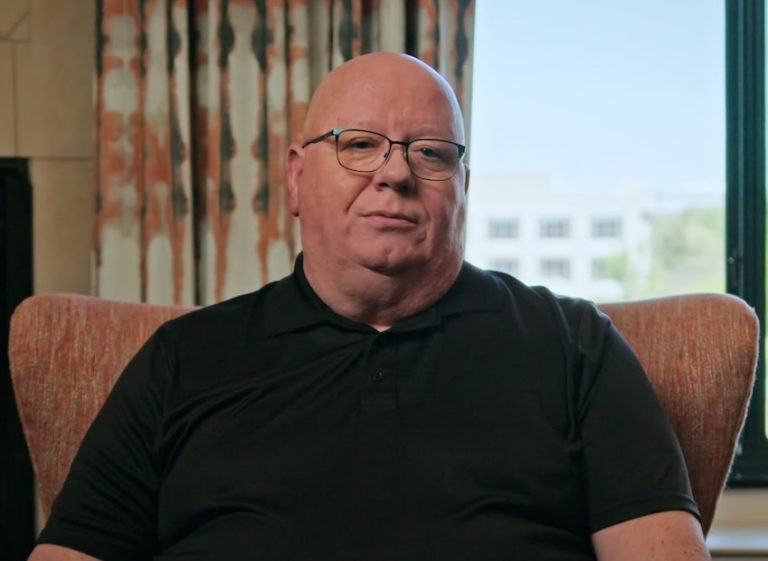
Donna Clark manages our Atlanta office and coordinates our caregivers and their schedules, making sure we have the right match for each of our seniors. She is a key employee of this office and has earned her seniority having worked at the Atlanta branch since 2002. During this time, Donna has mastered her ability to do an excellent job fulfilling her role.
Our service area includes:
These two types of care are often mentioned together, but they are not the same.
Home health care is medical and usually requires a doctor’s order. It may include skilled nursing, therapy sessions, wound care, medication support, and recovery-focused services after illness or surgery. The focus is clinical progress over a defined period.
In-home senior care in Chatham County, NC looks at everyday living instead. It supports seniors with bathing, dressing, meals, mobility, toileting, companionship, and memory support. The goal is not treatment, but steady day-to-day living in a familiar space.
At Options Home Care, care is shaped around real routines instead of fixed structures. When routines shift, support shifts with them, so families are not trying to force real life into a rigid plan.
When someone returns home from the hospital, things can feel unsettled for a while. Support is arranged quickly and adjusted as things become clearer. That may involve personal care, companionship, respite help, or live-in care depending on what is actually needed.
There is also attention given to emotional comfort, especially when someone is adjusting to being at home again after time away.
In many situations, care can begin within one to two days after the first conversation, depending on caregiver availability.
Families often reach out during moments that feel urgent, so the process is handled with priority when possible.
After the assessment, a care plan is created based on how the person actually lives day to day. A professional caregiver is then matched and services begin once everything is ready to move forward.
Yes. Options Home Care serves families across Chatham County and nearby areas including Raleigh, Cary, Apex, Wake Forest, Fuquay-Varina, Holly Springs, Garner, Morrisville, and surrounding communities.
Care is delivered at home and shaped around each household rather than a fixed schedule or preset structure.
Most seniors want to stay in their own home because it feels familiar and tied to their daily routine. Home care supports that choice by stepping in only where needed.
Support may include help with personal care, meals, mobility, companionship, and light housekeeping. It is not about replacing independence, but reducing strain where tasks become harder.
Over time, this type of support often makes daily life feel more manageable while still allowing seniors to remain in control of their home and decisions.
Family caregiving often begins quietly and then gradually becomes more demanding than expected.
Professional caregivers step in to help share that load through assistance with personal care, meals, transportation, companionship, and supervision.
This gives families more breathing room during the day while still keeping them closely involved in decisions and routines. Many households find that things feel more balanced again once support is in place.
Caregivers assist with bathing, grooming, dressing, toileting, mobility, and meals, always with patience and respect.
Alongside that, there is daily human presence that naturally develops over time. Conversations, familiar routines, and small interactions become part of everyday life.
That mix of practical support and steady presence often helps the home feel less isolating and more grounded.
Live-in care means one caregiver stays in the home and provides support throughout the day as needed. This may include meals, personal care, reminders, mobility assistance, transportation, and light housekeeping, with overnight availability if required.
Twenty-four-hour care uses rotating caregivers working shifts so that someone is always awake and actively on duty.
Live-in care is often preferred because it feels more consistent. One caregiver staying longer helps build familiarity and trust, which can make daily routines feel less fragmented.
Support is also available during recovery periods after hospital stays or rehabilitation when needs tend to change frequently.
Activities of Daily Living, known as ADLs, are the fundamental tasks that support a person’s ability to care for themselves and remain independent. These everyday activities are often used by healthcare professionals to measure an individual’s level of functional ability. ADLs generally include:
ADLs are widely used in insurance and care assessments. Some programs require help with two ADLs, while others require three before benefits apply.
When these tasks start becoming difficult, it often signals that additional help at home may be needed.
We help families understand care needs and possible next steps based on their situation.
Yes. Families can choose between private pay and long-term care insurance.
Long-term care insurance helps cover ongoing non-medical support such as bathing, dressing, mobility, and personal care. It is different from standard health insurance, which focuses on medical treatment.
We also assist with insurance steps such as benefit checks, claim setup, documentation, and reimbursement support to make the process easier to manage.
Many veterans may qualify for the VA Homemaker and Home Health Aide Care program, which helps eligible individuals remain at home with daily living support.
Services may include help with bathing, dressing, meals, grooming, housekeeping, and other routine needs.
Options Home Care is part of the VA community care network and may provide approved services when eligibility is confirmed.
To become eligible, veterans typically must:
Once approved, care is coordinated with the VA team to maintain consistency and alignment with the veteran’s needs.
Additional support may also be available through VA Aid and Attendance depending on eligibility and service background.
Let’s start with a free phone consultation to learn more about your family’s care needs.
Our team will provide the support and services your loved one needs to maintain independence at home—with peace of mind for you.
"*" indicates required fields